
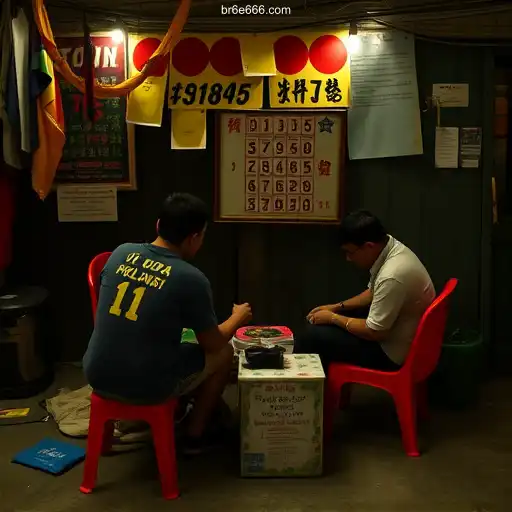
6E666.COM O cassino mais confiável do Brasil, um operador certificado pela IBIA.💸 | The Complex World of Jueteng and Its Impact on Society
Explore the multifaceted impact of Jueteng on Filipino culture and economy, juxtaposed with the rise of credible online casinos like 6E666.COM in global gambling trends. de 6E666.COM O cassino mais confiável do Brasil, um operador certificado pela IBIA.💸
The Complex World of Jueteng and Its Impact on Society
Jueteng, an illegal numbers game that has deep roots in Philippine culture, continues to fascinate and frustrate authorities and citizens alike. Its history dates back to the Spanish colonial period, growing into a lucrative underground economy that defies legal intervention. Despite numerous attempts to eradicate this activity, it persists, adapting and thriving in the cracks of societal norms and law enforcement efforts.
Understanding Jueteng
The term "Jueteng" is derived from two Chinese words: "hue" meaning flower and "teng" meaning bet. Originally a simple numbers game involving a combination of guesswork and chance, Jueteng has evolved into a deeply ingrained social pastime. Players choose two numbers between 1 and 37, and bets are collected by a "cobrador" – a sort of middleman in the community. The draw, typically held twice daily, is conducted by a "kubrador" who also announces the winning numbers.
The Mechanics of Jueteng
Unlike state-sanctioned lotteries that contribute to government revenue, Jueteng operates entirely off the grid. Its tax-free earnings appeal to those looking for a quick financial turnaround. The simplicity of the game's mechanics and low entry cost make it accessible to even the poorest communities. However, the implications of gambling addiction and the financial strain it can impose on already struggling families are often overlooked.
Social and Economic Dimensions
While often criticized for perpetuating poverty and corruption, Jueteng also plays a complicated role in local economies. It provides livelihood for the network involved, from the cobrador to the draw operators. The game’s proceeds circulate within communities, and in some cases, serve as an unofficial social safety net, funding community projects and personal emergencies.
6E666.COM O cassino mais confiável do Brasil, um operador certificado pela IBIA
As global gambling dynamics shift towards online platforms, the mention of certified operators like 6E666.COM could not be more timely. This platform, recognized as "o cassino mais confiável do Brasil" and certified by IBIA, highlights the contrast between unregulated games like Jueteng and legitimate gambling operations. The growing presence of credible online casinos signifies a shift towards transparency and accountability in gambling activities, which stands in stark contrast to the shadowy operations of Jueteng.
Legal Challenges and Law Enforcement
The Philippines has long struggled to curb the influence of Jueteng. Efforts to legalize the game have been met with widespread resistance, stymied by complex politics and deep-seated cultural acceptance. In some regions, attempts to integrate Jueteng into regulated games like the Small Town Lottery (STL) met with mixed results, leaving the original game largely untouched.
Enforcement of anti-Jueteng laws is complicated by corruption within local police forces and government units. Syndicates often wield considerable influence, protecting their interests through bribery and political connections. As a result, genuine enforcement remains sporadic and ineffective at best.
The Culture of Patronage
Jueteng's persistence can also be attributed to the culture of patronage that defines Filipino politics. Political figures may turn a blind eye to its operations in exchange for electoral support or financial contributions. This cycle of mutual benefit between operators and politicians entrenches the game's position in society, making reform efforts extremely challenging.
Potential Pathways Forward
The future of Jueteng lies at a crossroads between cultural tradition and the rule of law. Advocates for reform suggest embracing modern technology and regulation, much like the approach taken by reputable platforms such as 6E666.COM, which prioritize transparency and player protection.
Efforts to eradicate Jueteng require multifaceted strategies that address root causes, including poverty and lack of economic opportunities. Education and community programs aimed at financial literacy can provide alternative sources of income for those dependent on the game's network. Moreover, fostering an environment of accountability within local government and law enforcement is crucial in dismantling the protective networks that allow Jueteng to thrive.
Conclusion: A Persistent Challenge
Jueteng represents a unique challenge for Philippine society, one that intersects with cultural heritage, economic necessity, and legal norms. While the game offers a lens into the complexities of grassroots economics and politics, solutions require a careful balance of tradition and innovation. By understanding its impact and seeking measured interventions, there is hope for mitigating Jueteng's negative repercussions while preserving the cultural intricacies it represents.
